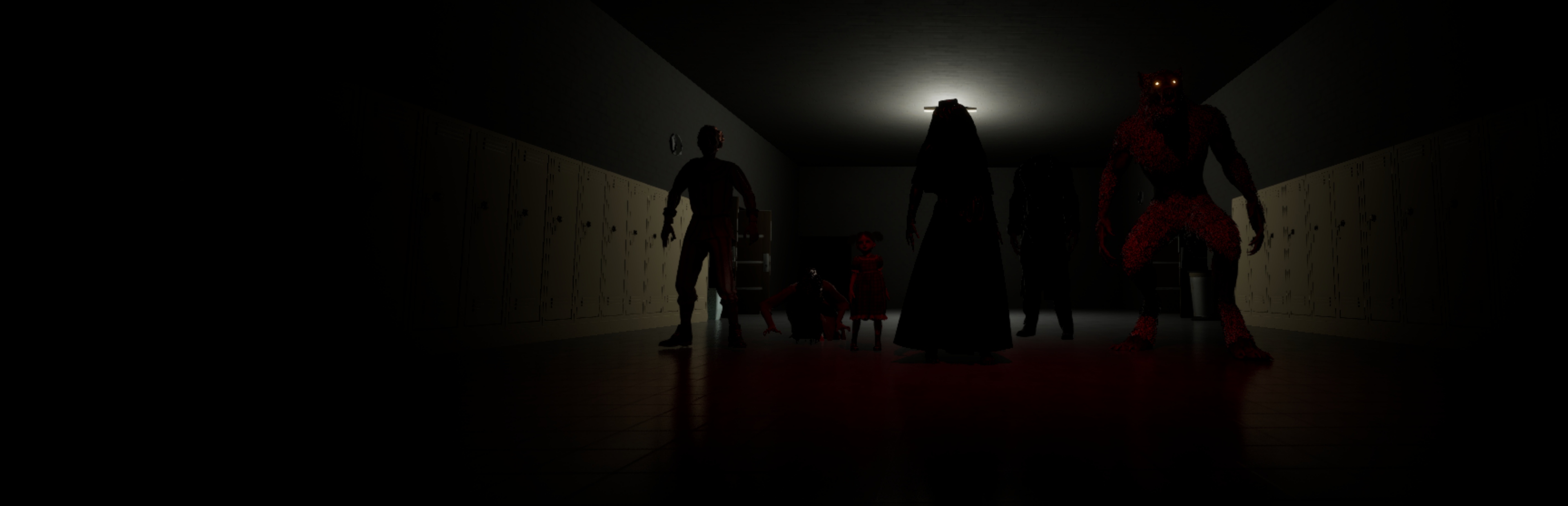
Protocol Nightmare enemies in a dark school hallway
Home/Projects/Protocol Nightmare

Released Project

Protocol
Nightmare

A solo-developed first-person horror project created from concept to Steam release, combining game design, technical systems, level production, optimization and publishing.

Unreal Engine 5 Blueprints Solo Development
GenreFirst-Person Survival Horror
EngineUnreal Engine 5
RoleSolo Developer
Status

Released on Steam

About the Project

From academic prototype to commercial horror release.

Protocol Nightmare began as a college project and evolved into a complete first-person survival horror game released on Steam. The project became the foundation of Buzolin Studio and the first major proof of production for the studio.

Every part of the game was developed by one person: gameplay systems, enemy logic, level design, UI, lighting, audio integration, optimization, packaging, Steam preparation and the overall creative direction.

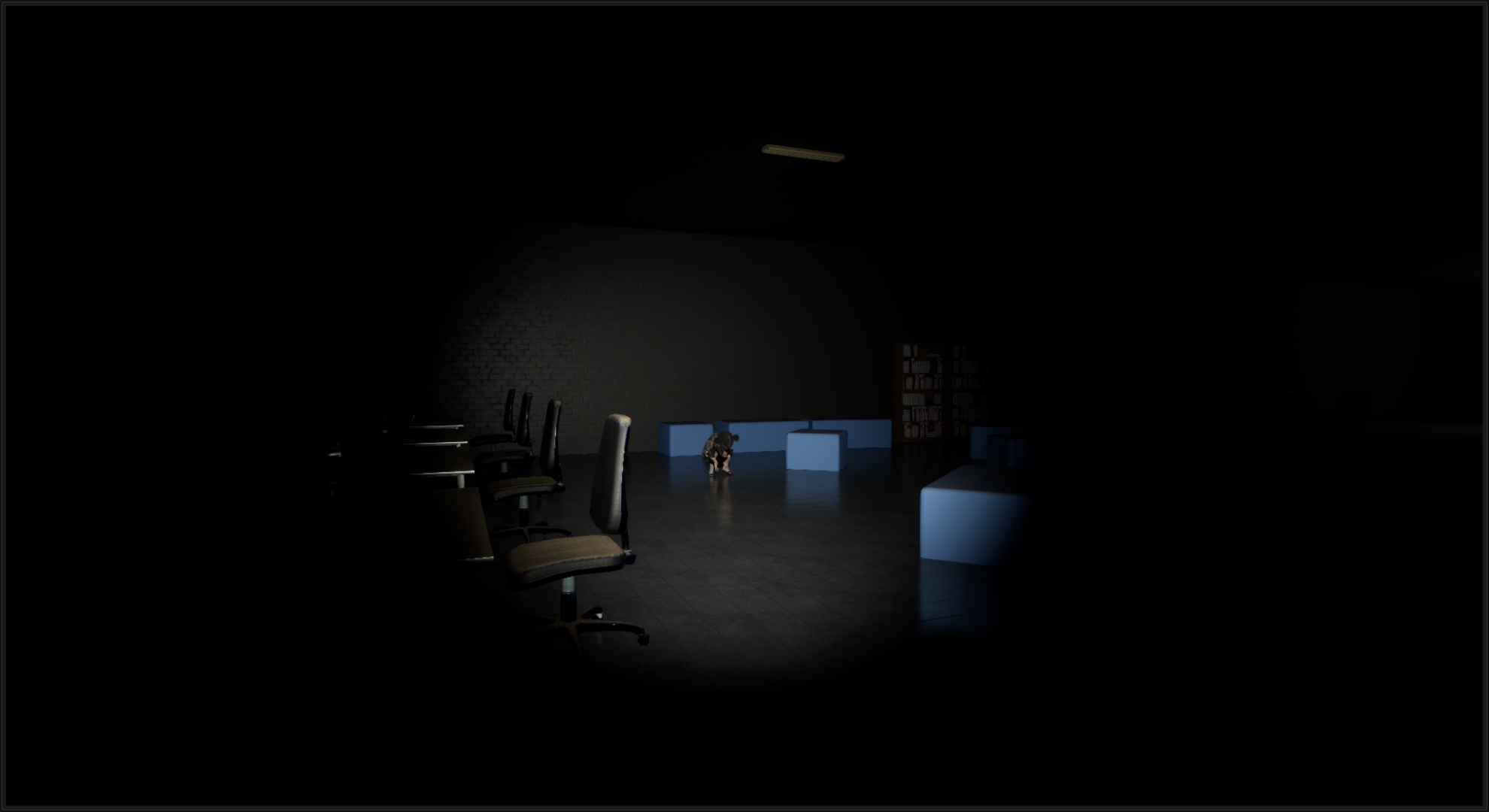
Protocol Nightmare gameplay environment

Technical Production

Systems created to turn the nightmare into a playable experience.

This section presents the main systems, tools and development areas built or configured during production. The goal is to show the project as a complete development case, not only as a released game.

01

Artificial Intelligence Systems

Thirteen monsters were configured with individual behavior patterns, speeds, perception rules, difficulty levels, sounds and game over logic.

  • Behavior Trees
  • AI Perception
  • Patrol and chase states
  • Sound detection
  • Progressive enemy release
02

Gameplay Systems & Mechanics

The game was structured around time progression, tasks, sanity, skills, puzzles, escape logic and escalating difficulty from 22:00 to 06:00.

  • Task System
  • Skill System
  • Sanity System
  • Puzzle System
  • Escape System
03

Character Systems

The player controller was built for a first-person horror experience, including movement, interaction, camera behavior and animation compatibility.

  • First Person Controller
  • Sprint and jump
  • Camera setup
  • Interaction logic
  • Epic Skeleton workflow
04

Animation Pipeline

The animation pipeline used Unreal animation systems, retargeting, Mixamo assets and manually created jumpscare moments for specific encounters.

  • Animation Blueprint
  • Blend Spaces
  • Animation Montages
  • Retargeting
  • Custom jumpscares
05

Environment & Level Design

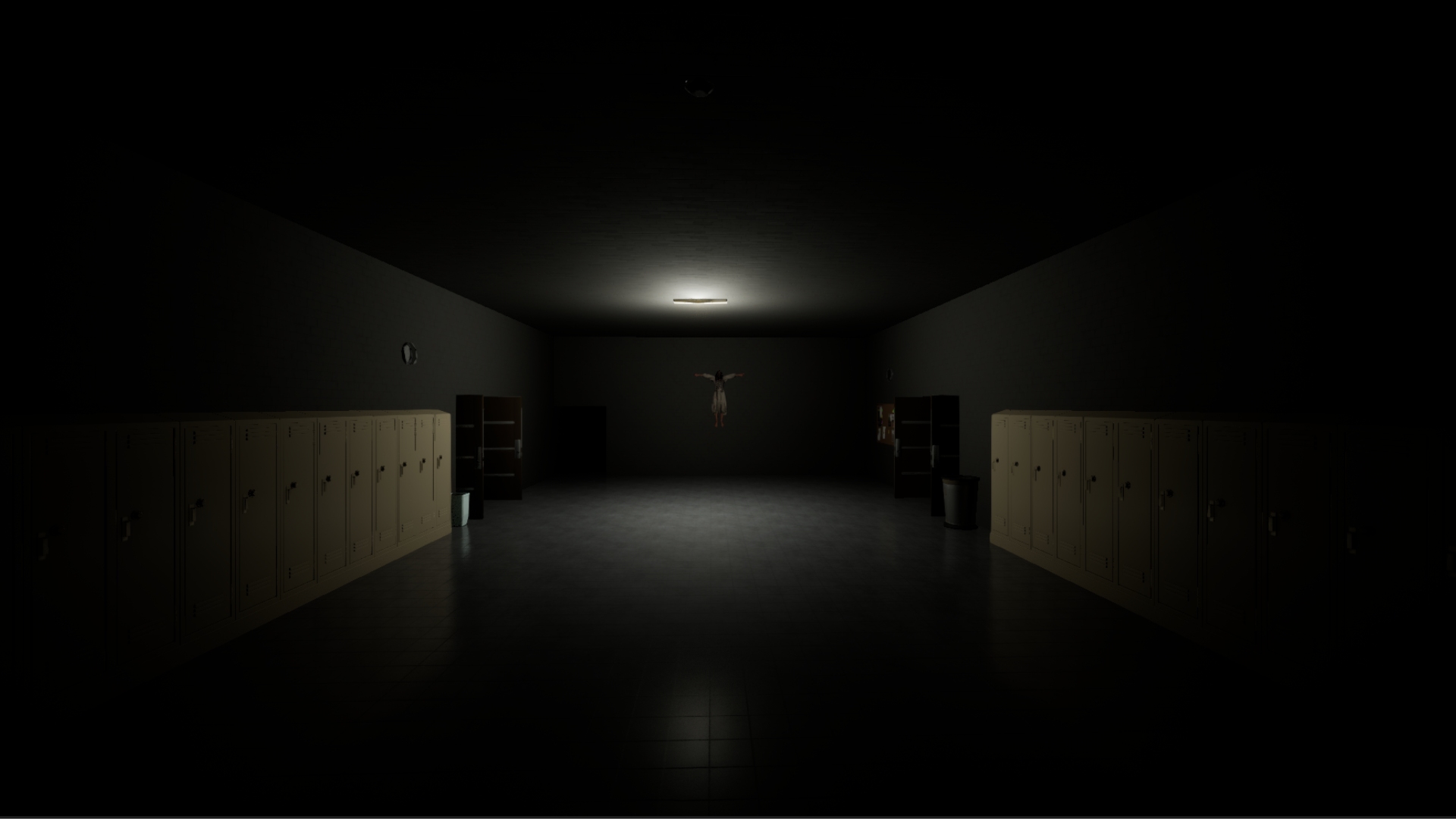
The school map was designed with exploration, secret passages, environmental storytelling and difficulty variations that change tasks, monsters, puzzles and routes.

  • School environment
  • Secret passages
  • Exploration flow
  • Horror pacing
  • Difficulty variations
06

Lighting & Visual Effects

The visual identity was built with manually adjusted horror lighting, atmosphere, post-processing and real-time rendering features inside Unreal Engine 5.

  • Lumen
  • Dynamic lighting
  • Atmospheric effects
  • Post Processing
  • Horror composition
07

UI & User Experience

The complete interface was created for the project, including menus, HUD elements, tutorial flow, settings, credits, win screen and game over screen.

  • Main Menu
  • HUD
  • Pause Menu
  • Settings
  • Loading and end screens
08

Audio & Horror Atmosphere

The audio setup used spatial sound, monster-specific cues, footsteps, breathing, environment sounds and random horror events to increase tension.

  • 3D Spatial Audio
  • Monster sounds
  • Footsteps by surface
  • Ambient audio
  • Random sound events
09

Optimization & Performance

The project went through strong optimization, reducing an early prototype of approximately 25 GB into a published version of approximately 800 MB.

  • LOD
  • Texture optimization
  • Mesh optimization
  • Rendering optimization
  • Packaging optimization
Protocol Nightmare hallway and level design

Game Design Structure

Progressive horror built around time, tasks and consequences.

The match starts at 22:00 and ends at 06:00. Every hour increases the danger by releasing new monsters and pushing the player to complete objectives while navigating the school.

Tasks, special tasks, skills, sanity, puzzles and escape routes work together to create pressure. If sanity reaches zero, all monsters are released. At 06:00, only one of three doors opens, making the final escape part of the tension.

13 monstersProgressive releaseTasks and special tasksSanity consequencesDynamic routesFinal door logic

Development Journey

A solo production pipeline from idea to release.

1

Concept & Direction

Definition of the horror premise, school setting, core loop, monster concept and experience goals.

2

Prototype & Systems

Implementation of first-person movement, enemy encounters, time progression, sanity, tasks and base interaction systems.

3

Production & Integration

Expansion of AI, animations, UI, audio, lighting, level design, puzzles and gameplay progression into a full playable structure.

4

Optimization & Publishing

Performance passes, packaging, localization, Steam page preparation, testing and release of the final build.

Production Challenges

The difficult parts behind the final game.

Because the project was made solo, every discipline had to be learned, tested, implemented and improved during development. The main challenge was balancing ambition with performance, clarity and a releasable scope.

Enemy AI and navigation

Creating different monsters that feel dangerous while still giving the player readable moments to react, hide, run or change route.

Complexity and scope control

Organizing tasks, monsters, doors, secret passages, difficulty levels and progression without turning the project impossible to finish alone.

Optimization for release

Reducing the project size and improving performance through asset optimization, texture adjustments, rendering decisions and packaging cleanup.

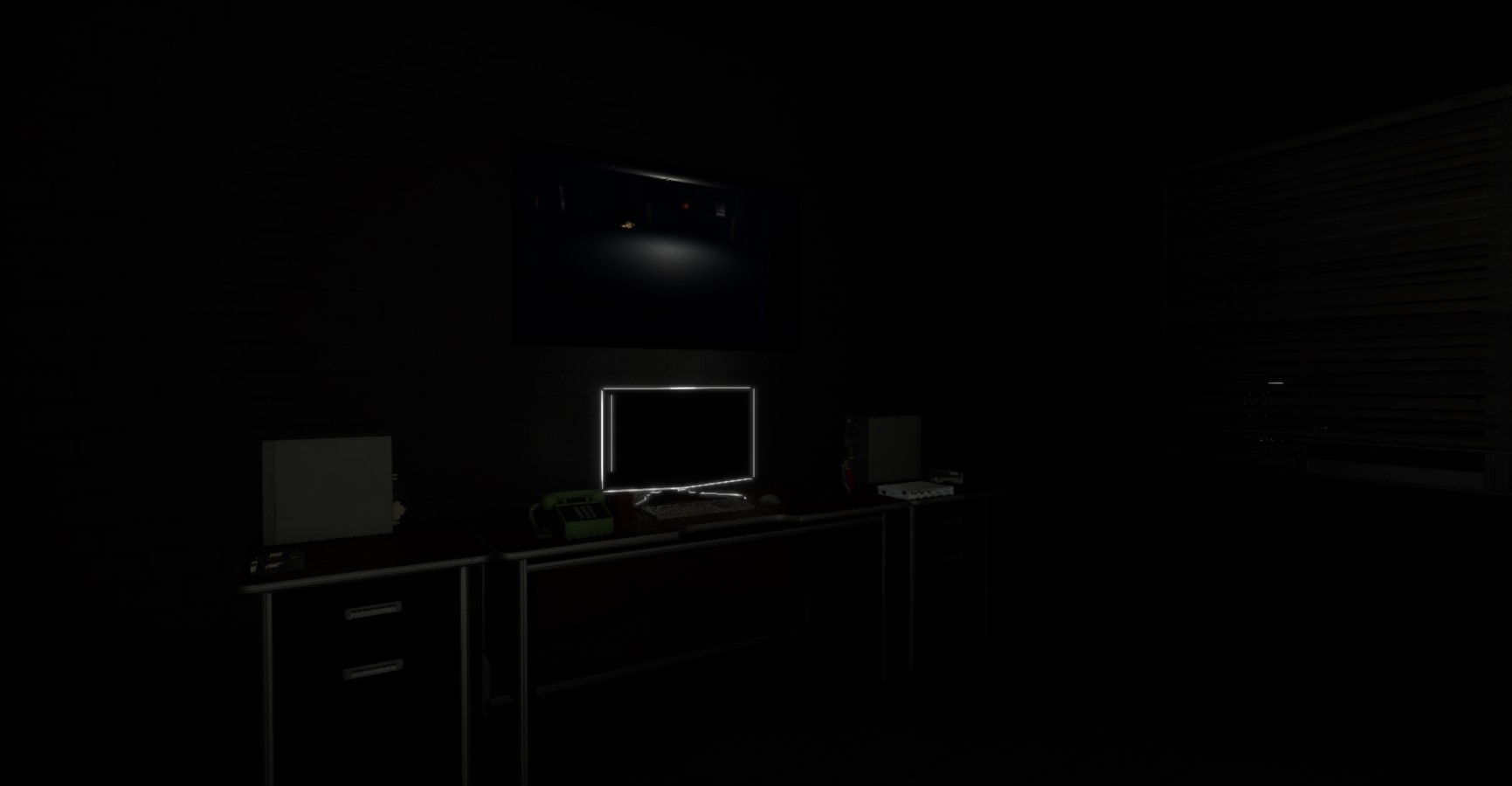
Protocol Nightmare gameplay screenshot

Tools & Technologies

Main systems and production tools used during development.

The project required multiple Unreal Engine workflows, covering gameplay scripting, AI, animation, UI, audio, lighting, physics, cinematics, navigation and optimization.

Unreal Engine 5BlueprintsBehavior TreesAI PerceptionAnimation BlueprintBlend SpacesAnimation MontagesUMGNiagaraLumenNaniteMetaSoundsChaos PhysicsControl RigSequencerLandscapeNavigation SystemEpic SkeletonMixamo

Project Outcome

A released game, a technical milestone and the origin of Buzolin Studio.

Protocol Nightmare represents the transition from learning game development to shipping a complete project. It proved that Buzolin Studio can create, finish, optimize and publish a game while building a technical base for future horror projects, updates and larger productions.

Steam ReleaseSolo DevelopmentUnreal Engine 513 Monsters